i feel like this song from Stakes (everything stays) is good at describing the relationship between these two… while they were apart, they changed, and they grew as people, but the spark and their love was still there waiting when they were ready to try again. i’m so happy!!
these are about 2/3 of the readings for my intro to lit theory course, if you’ve ever wondered what one studies on such courses, the links lead to free pdfs
I honestly always find the term ‘spinster’ as referring to an elderly, never-married woman as funny because you know what?
Wool was a huge industry in Europe in the middle ages. It was hugely in demand, particularly broadcloth, and was a valuable trade good. A great deal of wool was owned by monasteries and landed gentry who owned the land.
And, well, the only way to spin wool into yarn to make broadcloth was by hand.
This was viewed as a feminine occupation, and below the dignity of the monks and male gentry that largely ran the trade.
So what did they do?
They hired women to spin it. And, turns out, this was a stable job that paid very well. Well enough that it was one of the few viable economic options considered ‘respectable’ outside of marriage for a woman. A spinster could earn quite a tidy salary for her art, and maintain full control over her own money, no husband required.
So, naturally, women who had little interest in marriage or men? Grabbed this opportunity with both hands and ran with it. Of course, most people didn’t get this, because All Women Want Is Husbands, Right?
So when people say ‘spinster’ as in ‘spinster aunt’, they are TRYING to conjure up an image of a little old lady who is lonely and bitter.
But what I HEAR are the smiles and laughter of a million women as they earned their own money in their own homes and controlled their own fortunes and lived life on their own terms, and damn what society expected of them.
I hope this a shit post cause that’s not even close to being true.
Please. I am very curious as to why you think I am incorrect.
I saw this spinster post and regretted not reblogging it, only to find this one that’s like ten times better with amazing sources and a hot’n’fresh moider for me ❤
Blind ‘em with science, baffle ‘em with bullshit, but most satisfying of all, slaughter ‘em with sources.
Its about a gay couple opening up an inn in a small town in Virginia and its based on a true story and as far as I can tell it looks cute and is already in production with NBC
So sorry straights™ you’ll just have to deal with it
Hi, thanks for the question – it’s not vague at all!
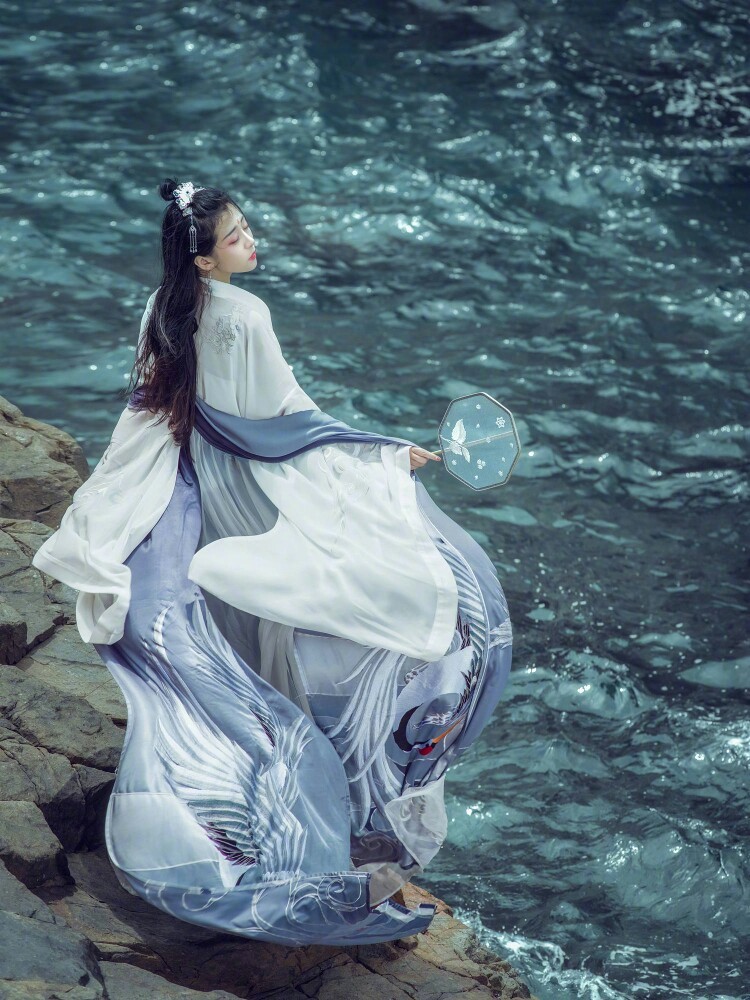
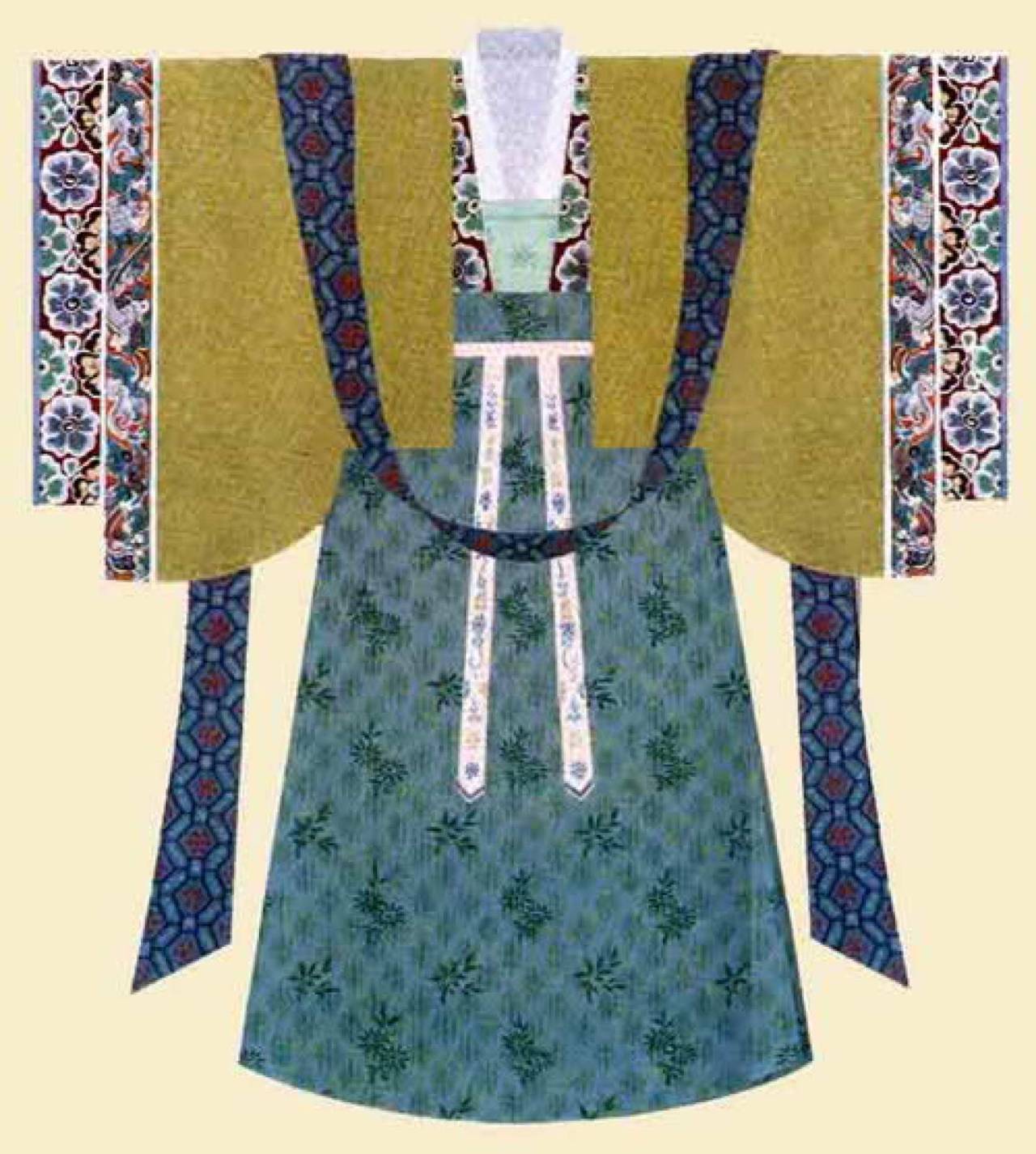
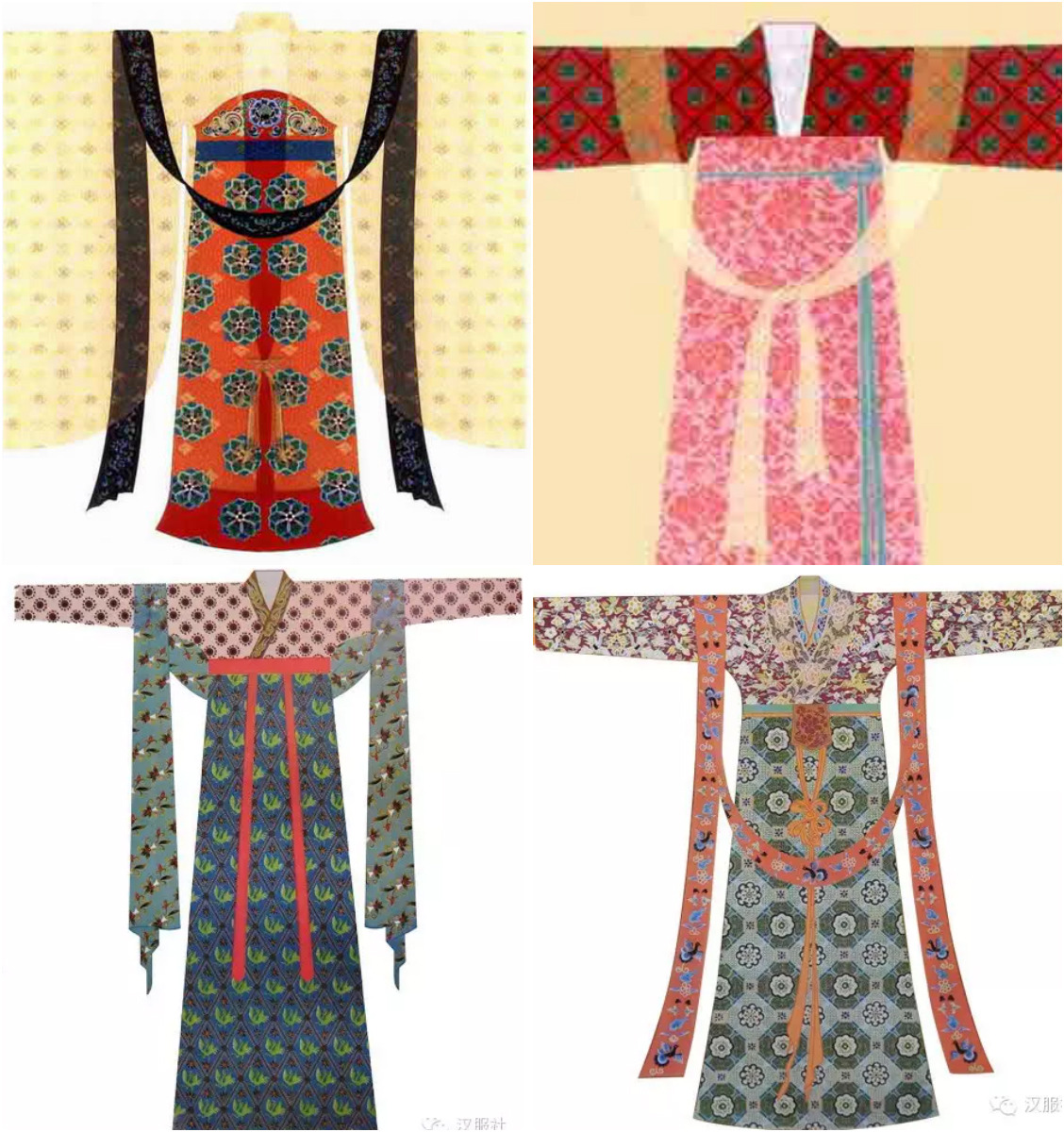
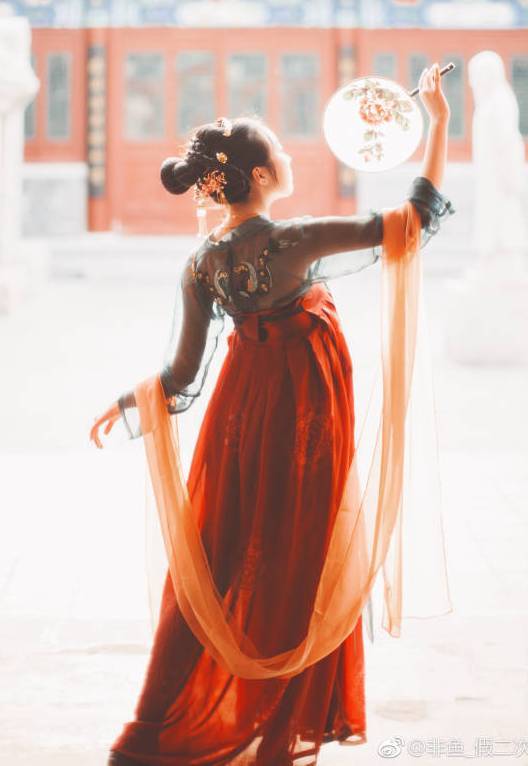
The thin, long scarf that you see worn with hanfu, wrapped around the arms and behind the back, is called pibo/披帛.
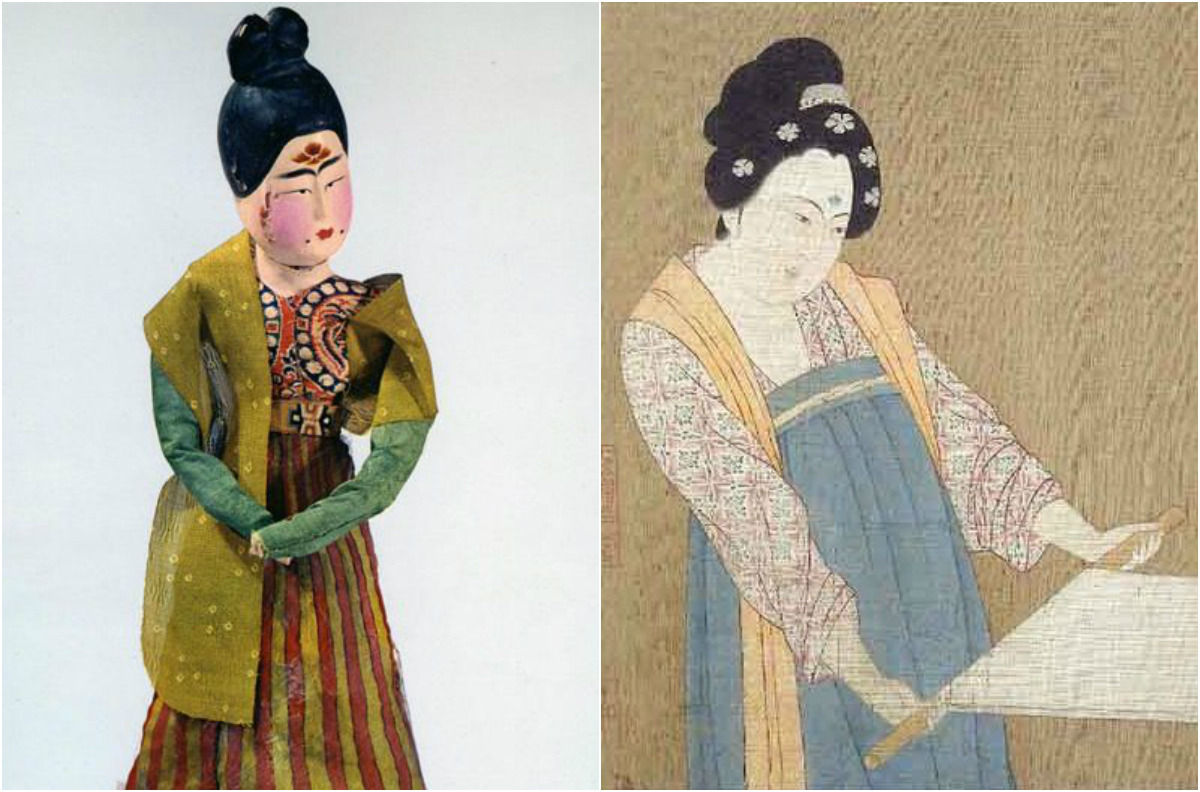
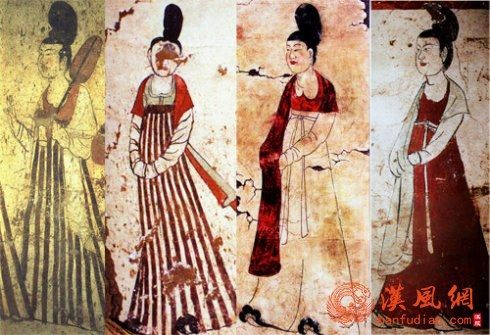
Sources state that pibo first appeared sometime around the Qin dynasty (221– 206 BC). It was originally used to protect against wind and cold air, and gradually became an important fashion accessory. There were two types of pibo: one was wider and shorter, used mostly by married women. The other type could be more than two meters in length, and was used mostly by unmarried women. Below – art of historical outfits with pibo from the Tang (1-3), Sui (4), and Song (5) dynasties:
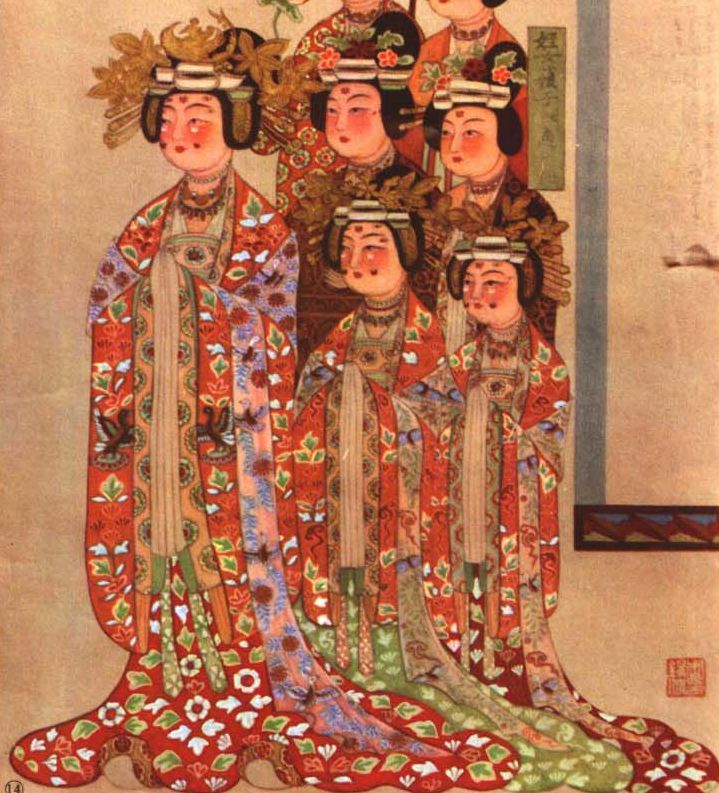
Pibo really came into vogue during the Sui and Tang dynasties. The open, confident culture of the Tang meant that women were eager to utilize accessories to make their appearance and outfits more glamorous. Initially, it was worn by performers and those residing in the palace. After the rise of the Kaiyuan era, it became popular among the common people. Below – historical art depicting pibo from the Sui, Tang, and Five dynasties periods (581–960):
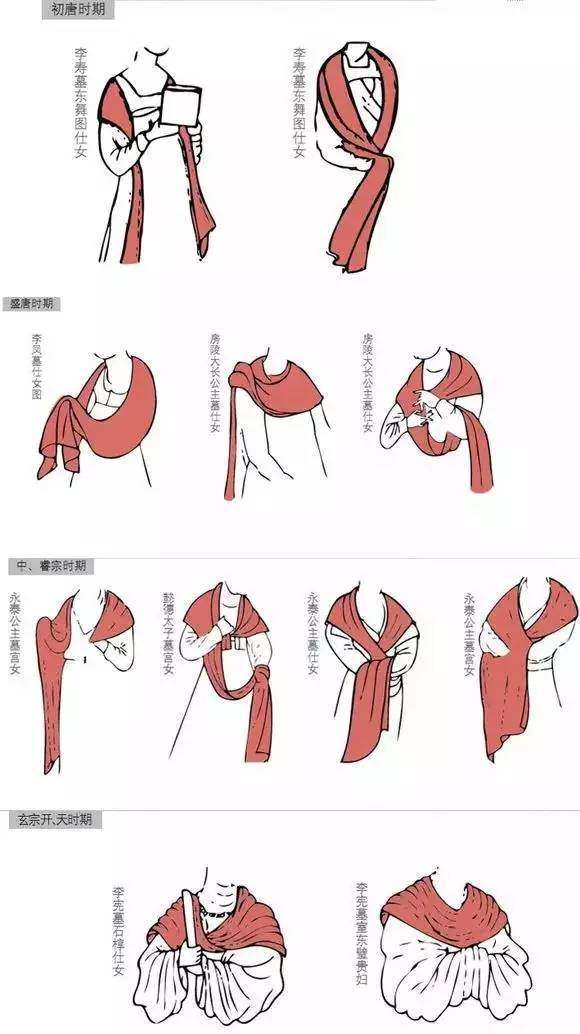
There were many ways of wearing pibo, and each time period had its own popular styles. For example, during the early Tang dynasty, women put pibo directly on their shoulders. During the middle Tang, one end was fixed to the chest, and the other end was draped around the shoulder:
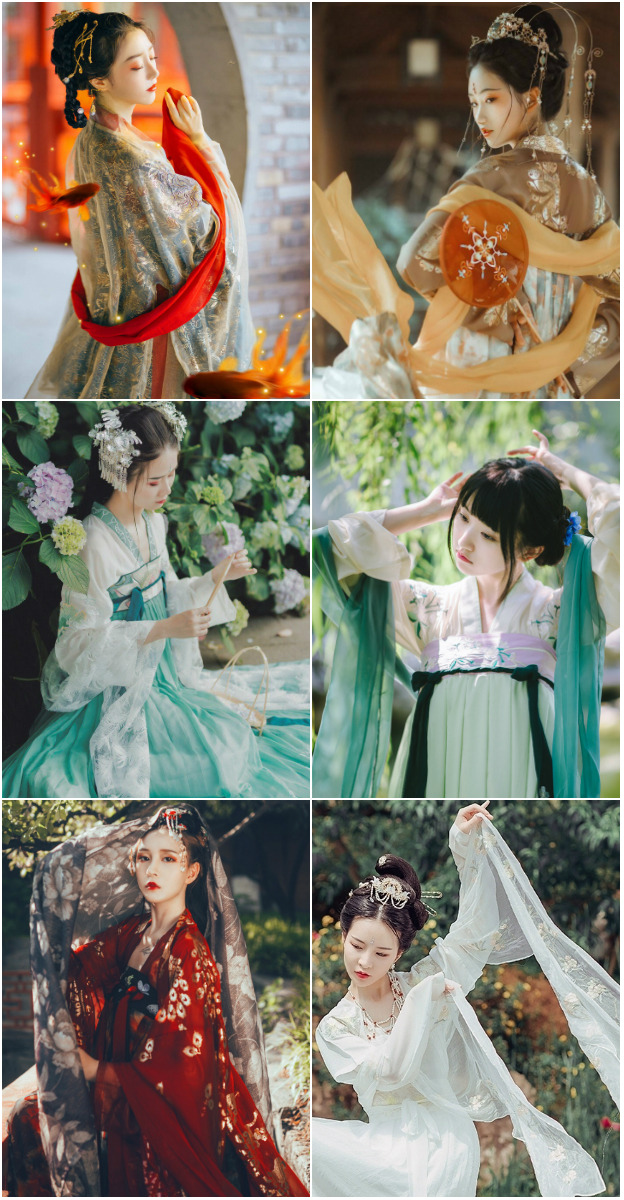
After the Tang dynasty, the pibo gradually became less popular. It fell out of common use during the time of the Song dynasty. Recently, however, with the hanfu revival movement, pibo has been making a comeback as an essential accessory of hanfu. It comes in all sorts of fabrics, styles, and designs:
Pibo is generally only worn with ruqun, and wearing it with other hanfu styles such as quju or aoqun is seen as incongruous (see this post for definitions of hanfu terms). Of course, nowadays people can wear it however they want. For more references, please see my Pibo tag.





 Plot Designing