how’s the radiant historia prep coming along? :3

tumblunni:

It has been 90% me laying in bed feeling ill all week trawling the RH tag going WHY CANT I PLAY THIS ALREADY lolllll

Ive got spoiled on so many things cos of my impatience and now i feel bad

well, there’s probably still some stuff that’s hidden!! and if you’re not feeling up to playing it, I can grab some version of an lp for you to react to, if that’d help? 

marisatomay:

toboldlylesbian:

pick your fighter

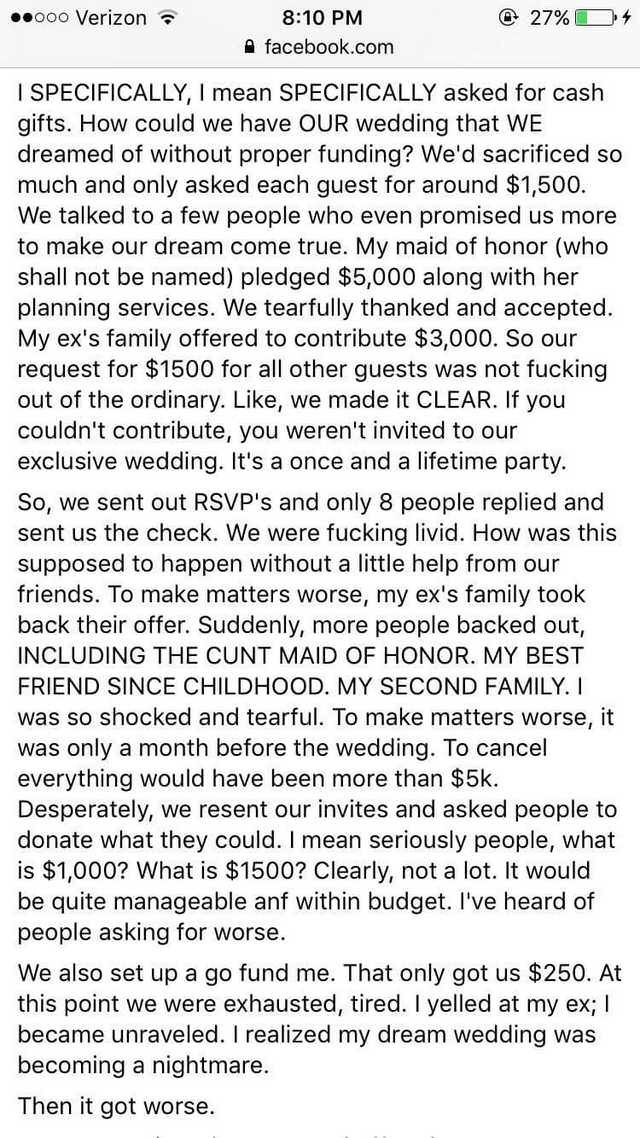
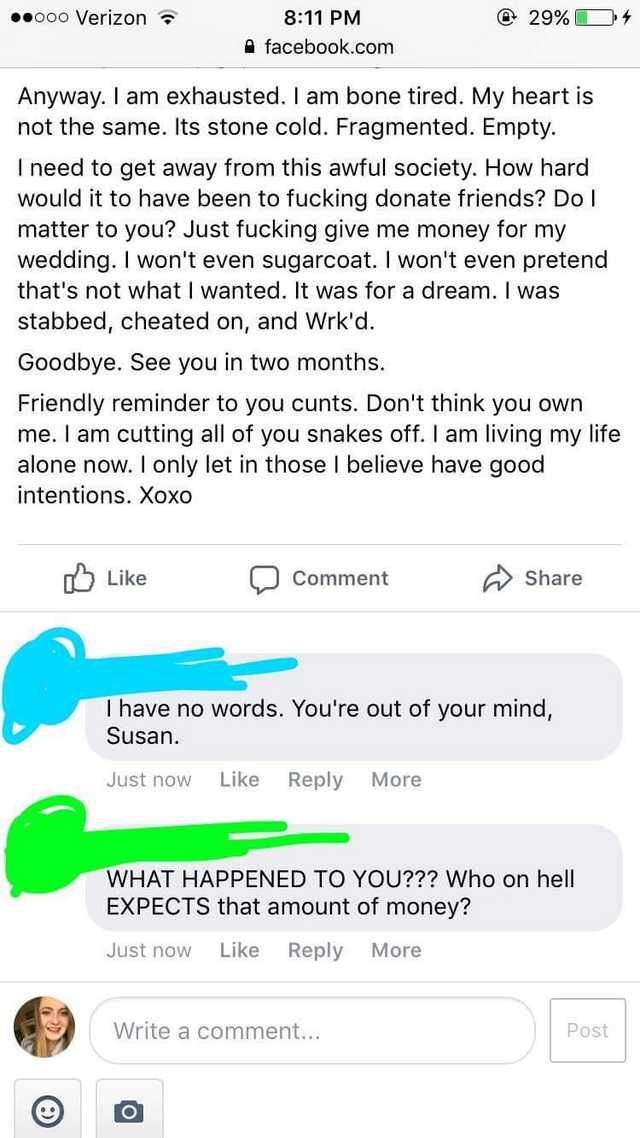
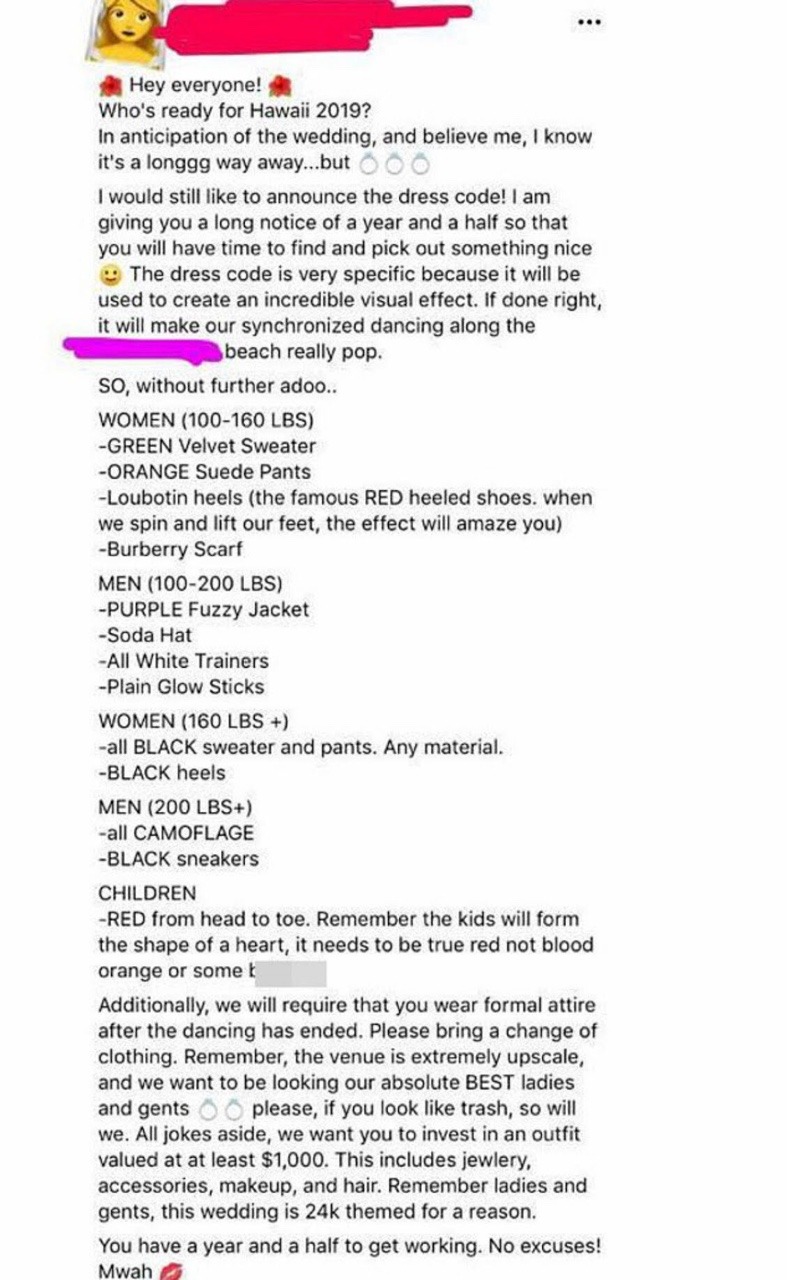
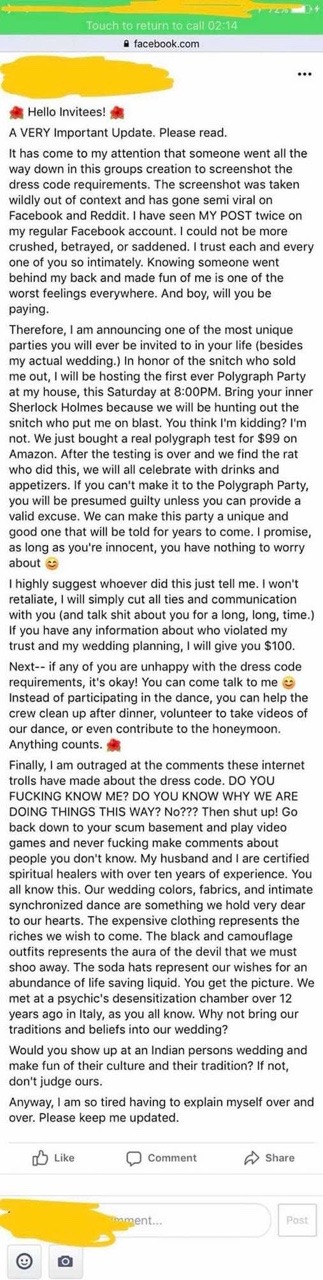
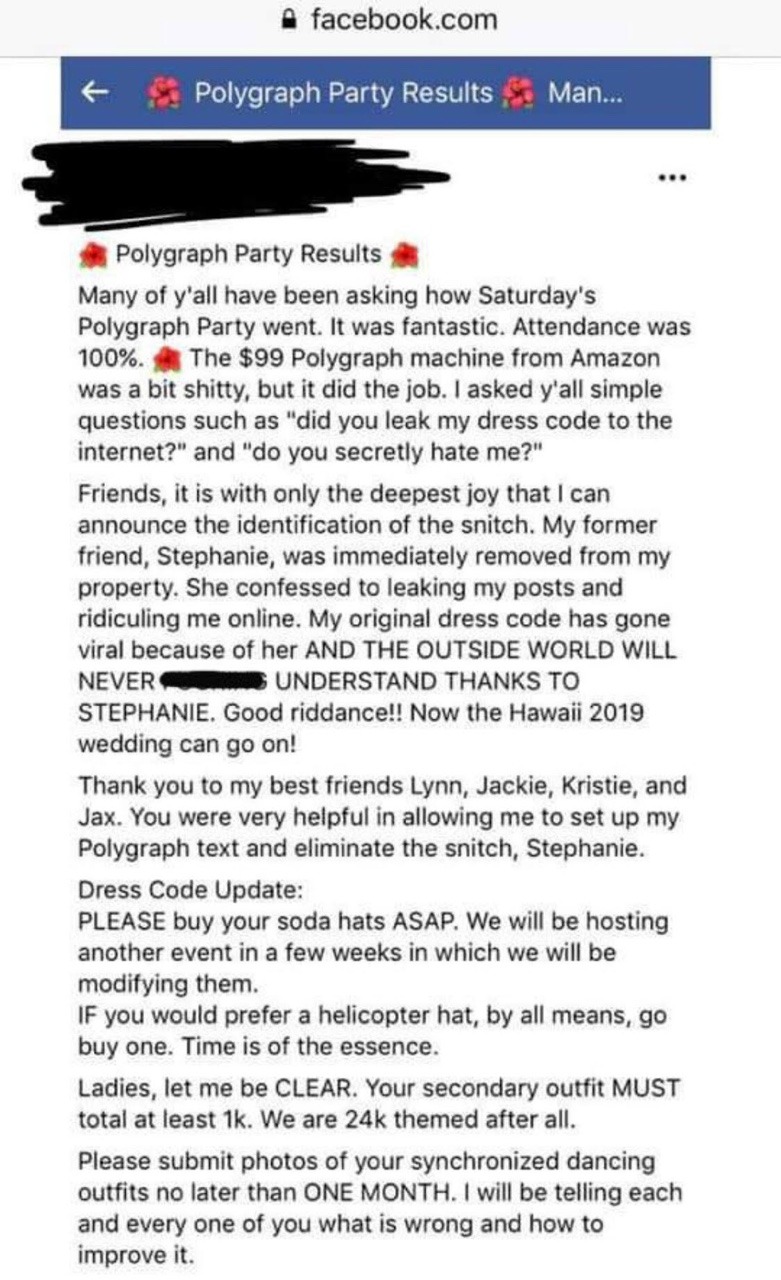
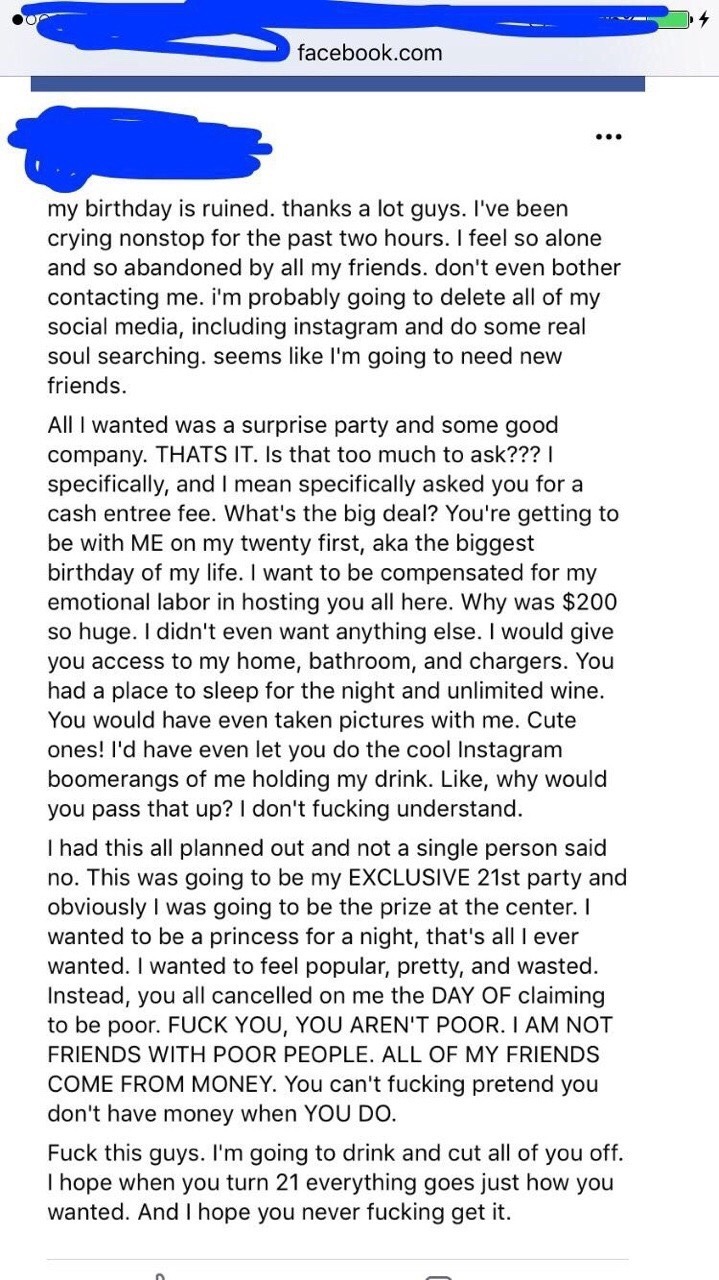
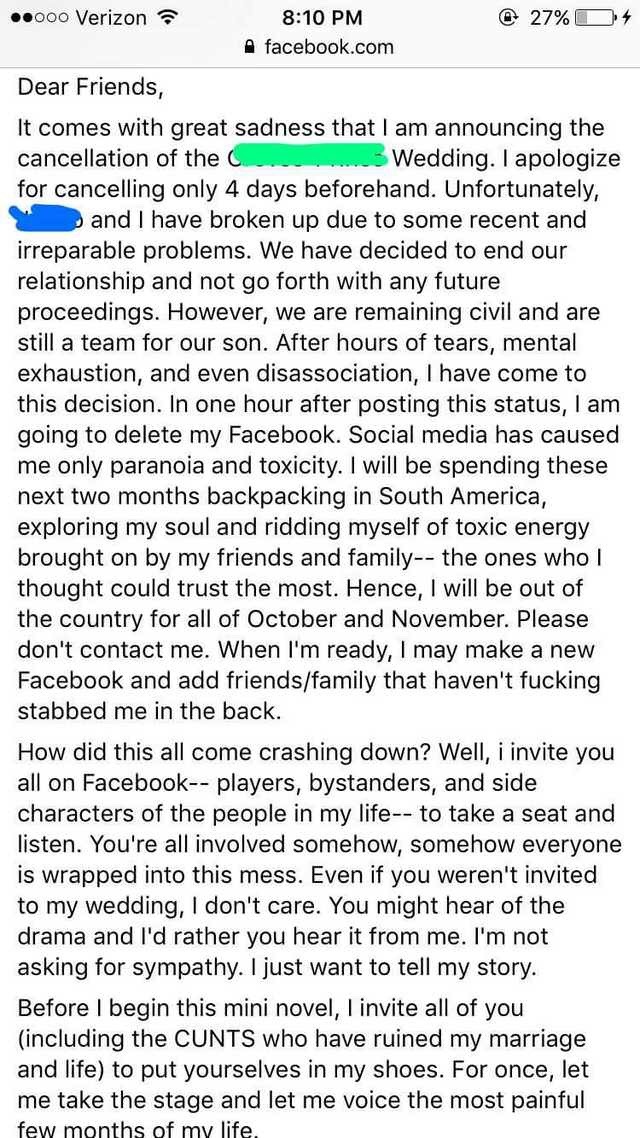
the ‘$1000 to go to Hawaii’ bride, the ‘I bought a $99 polygraph on amazon’ lady, or the ‘why was $200 so huge’ birthday girl

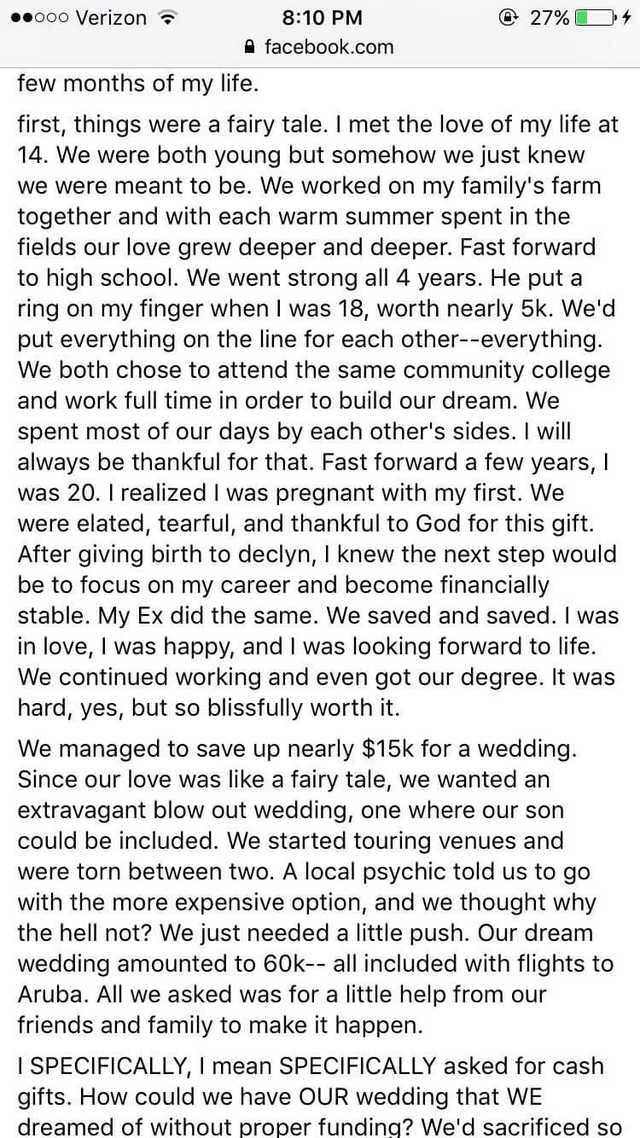
a lot of people seem to be confused and think the hawaii bride and the polygraph lady are the same but they’re actually 2 separate people so here’s all 3 in one go

the “$1500 to go to hawaii” bride

Ms Polygraph Test

$200 birthday

bask in the unfiltered nonsense of it all

Harry Potter and the Secret Gay Love Story

copperbadge:

rsfcommonplace:

@copperbadge

What’s so funny is like….I read the first three books in college, and my reaction was “Well, they’re fun books in the Boarding School trope – gosh, it’s nice she included a gay couple in the third book!”

Like. I in my naievete just assumed she had done it on purpose and that it was rather sweet of her to have done so. 

Harry Potter and the Secret Gay Love Story

bigmouthlass:

theonlyleftydesk:

moniquill:

jocicausa:

kickair8p:

jumpingjacktrash:

bpd-anon:

theunitofcaring:

An important piece of how well-off you are, which measuring income isn’t really going to catch, is how much shock absorption your community has built in. 

Some people don’t have an in-person community, of course, and so the shock-absorption available to them is just whatever is in their own savings account and how much credit they have access to and maybe the knowledge that in the worst case they could move across the country and sleep on a friends’ couch for a few weeks but not longer because the friends’ landlord is strict about subtenants.

On the opposite end of the spectrum, upper-class communities have tons of shock absorption – if your home burns down, you probably have a friend who has a vacation home or an in-laws suite or a guest room where you can stay, if you lose your job it was the kind of job for which you get unemployment and you know someone who can get you an interview for another one, if you have a medical crisis you have lots of friends who can bring food and help out, and they all work jobs that let them take off on short notice in the middle of the day.

I’ve been helping a friend recover from surgery this week, and I’ve been thinking about this a ton. I could work from home for three days to be with her; her girlfriend had a spare bed where she could sleep for two because she was supposed to be near the surgery center and her house was an hour away; her girlfriend’s boyfriend could come over to help when girlfriend had to go to work; when her doctor’s appointment was changed to a time when I couldn’t drive her, another friend could take three hours off to do it. That’s a community with shock absorption.

It’s a class thing, but it’s not just a class thing. Doing this sort of thing is one of the things religions do. When I describe what I value about my community, my religious friends tend to go “oh, so, like what my church does”. A poor community where a dozen people from church will bring meals and support after surgery or after a loss or during cancer treatment has vastly more shock absorption than a same-income community where people have no way to coordinate that (and I think the decline of religion has been particularly costly in poor communities for exactly this reason).

And lots of money can’t fully substitute for a community, because lots of disasters (like medical emergencies) are of the kind that make it hard to advocate for yourself and independently arrange all the things you’re going to need.

I don’t know how you increase shock absorption. Lowering the cost of housing does part of it; a spare bedroom is a particularly critical kind of shock absorption that protects lots of people from homelessness. More leisure time increases shock absorption, and cutting the expected work week has been at least partially successful some places. My impression is that Social Security dramatically increased shock absorption, by giving elderly people (who often end up needing community support to remain independent or survive) more financial resources; it’s much easier for poor families to take someone in if they will get regular money towards housing and expenses. UBI would do it too, of course. 

It’s not just personal savings accounts for people without in-person communities. If something terrible happened to me, my friends could send me money through PayPal or checks in the mail and vice versa.
when i was recovering from surgery, seebs was able to take a big chunk of time off to be with me, because their employer thought ‘spouse recovering from surgery’ was a good reason to take time off, and they’re on salary.

people who’ve only worked one or the other don’t seem to understand the vast difference between wage and salary.

i kept thinking back to all my hourly jobs where i would’ve gotten fired for taking the time off, but even if my kindly employer had held my job for me – nearly impossible in service jobs – i would’ve been making no money while i wasn’t working. and that can be a blow your finances never recover from.

So if you want a desperate exploitable workforce pool, it’s to your advantage to disrupt, overburden, or outright destroy all forms of social shock absorption.  This explains so much.

IMO, that’s the failure of our modern culture; building a Team You of people who can and will help when things go wrong is a skill set, one that more and more people simply never learn.

Remembering the Howard University Librarian Who Decolonized the Way Books Were Catalogued

text-block:

This article beautifully describes how decolonization is necessary in libraries, right here:

As early as 1930, when she was appointed, Porter insisted that bringing
Africana scholars and their works to campus was crucial not only to
counter Eurocentric notions about blacks but also because, as she told
Madison, “at that time … students weren’t interested in their
African heritage. They weren’t interested in Africa or the Caribbean.
They were really more interested in being like the white person.”

…All of the libraries that Porter consulted for guidance relied on the
Dewey Decimal Classification. “Now in [that] system, they had one
number—326—that meant slavery, and they had one other number—325, as I
recall it—that meant colonization,” she explained in her oral history.
In many “white libraries,” she continued, “every book, whether it was a
book of poems by James Weldon Johnson, who everyone knew was a black
poet, went under 325. And that was stupid to me.”

Consequently, instead of using the Dewey system, Porter classified
works by genre and author to highlight the foundational role of black
people in all subject areas, which she identified as art, anthropology,
communications, demography, economics, education, geography, history,
health, international relations, linguistics, literature, medicine,
music, political science, sociology, sports, and religion. 

Remembering the Howard University Librarian Who Decolonized the Way Books Were Catalogued