Chapters: 31/34 Fandom: Kingdom Hearts, The Princess and the Frog (2009) Rating: Teen And Up Audiences Warnings: Creator Chose Not To Use Archive Warnings Relationships: Dr. Facilier/Luxord Characters: Luxord, Dr. Facilier, Dr. Facilier’s Shadow, Zexion, Vexen, Lexaeus Additional Tags: Slice of Life, Cultural Differences, Alien Cultural Differences, Pre-Kingdom Hearts I, Family Drama, Emotional Hurt/Comfort, Disabled Character of Color, POV Character of Color, White Privilege, Racism, Period-Typical Racism, Magic, Materia, Aftermath of Violence, Childbirth, Mild Blood, Clones, Baby Names, Post-Traumatic Stress Disorder – PTSD, Nightmares, Past Violence, references to lynching, Asexuality, Misunderstandings, Gift Giving, Slow Burn, Canon – Kingdom Hearts I Series: Part 4 of Dead Men’s Party Summary:
Luxord is an undead creature, soulless, a demon hunter capable of going toe to toe with the biggest and baddest in New Orleans. He’s also paying Doctor Facilier a gemstone an hour to take him to the best restaurants in the French Quarter while he gossips about his annoying co-workers, and trains Facilier in magic – real magic, not sleight of hand – in preparation for recruitment into Luxord’s Organization. It’s Facilier’s favorite job.
But the keyblade has chosen a wielder, and now Luxord must balance his duties observing Sora and his desire to bask in Facilier’s presence. The days are counting down to when Facilier realizes what helping the Organization really entails…
OR: Rocks fall, and the Organization gets word that there’s been a death at Castle Oblivion. Luxord does not react well to news that his parents and little brother may be threatened by a 14 year old with a giant key, and Xigbar doesn’t react at all.
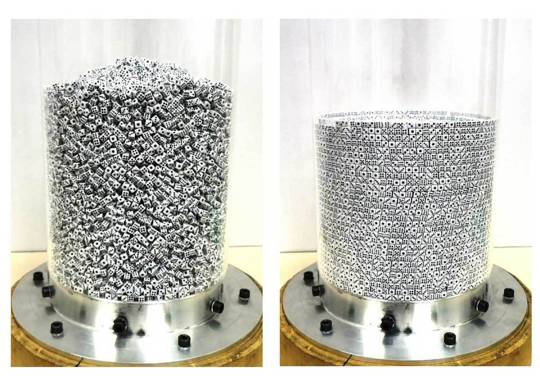
Behold the magic of compaction dynamics. Scientists from Mexico and
Spain dumped 25,000 tiny dice (0.2 inches) into a large clear plastic
cylinder and rotated the cylinder back and forth once a second. The dice
arranged themselves into rows of concentric circles. See the paper and the videos here.
Making your angst hurt:the power of lighthearted scenes.
I’m incredibly disappointed with the trend in stories (especially ‘edgy’ YA novels) to bombard the reader with traumatic situations, angry characters, and relationship drama without ever first giving them a reason to root for a better future. As a reader…
I might care that the main siblings are fighting if they had first been shown to have at least one happy, healthy conversation.
I might cry and rage with the protagonist if I knew they actually had the capacity to laugh and smile and be happy.
I might be hit by heavy and dark situations if there was some notion that it was possible for this world to have light and hope and joy to begin with.
Writers seem to forget that their reader’s eyes adjust to the dark. If you want to give your reader a truly bleak situation in a continually dim setting, you have to put them in pitch blackness. But if you just shine a light first, the sudden change makes the contrast appear substantial.
Show your readers what light means to your character before taking it away. Let the reader bond with the characters in their happy moments before (and in between) tearing them apart. Give readers a future to root for by putting sparks of that future into the past and the present. Make your character’s tears and anger mean something.
Not only will this give your dark and emotional scenes more impact, but it says something that we as humans desperately, desperately need to hear.
Books with light amidst the darkness tell us that while things are hard and hurt, that we’re still allowed to breathe and hope and live and even laugh within the darkness.
We as humans need to hear this more often, because acting it out is the only way we stop from suffocating long enough to make a difference.
So write angst, and darkness, and gritty, painful stories, full of treacherous morally grey characters if you want to. But don’t forget to turn the light on occasionally.




 Plot Designing